Life in Gaza Tents: Privacy and Family Dignity
Explore privacy in Gaza’s displacement shelters through family routines, children’s needs, confidential assistance and people’s own choices.
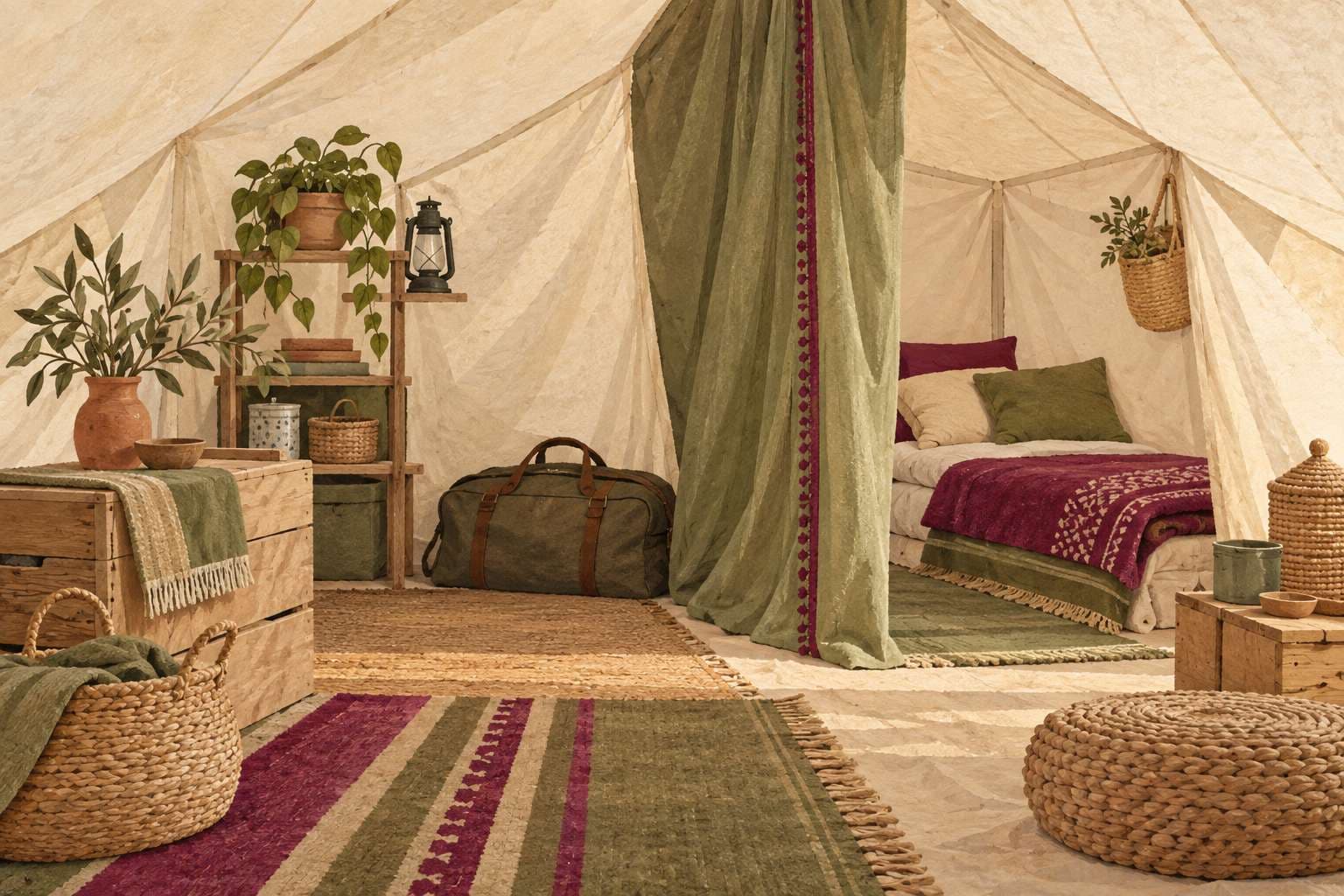
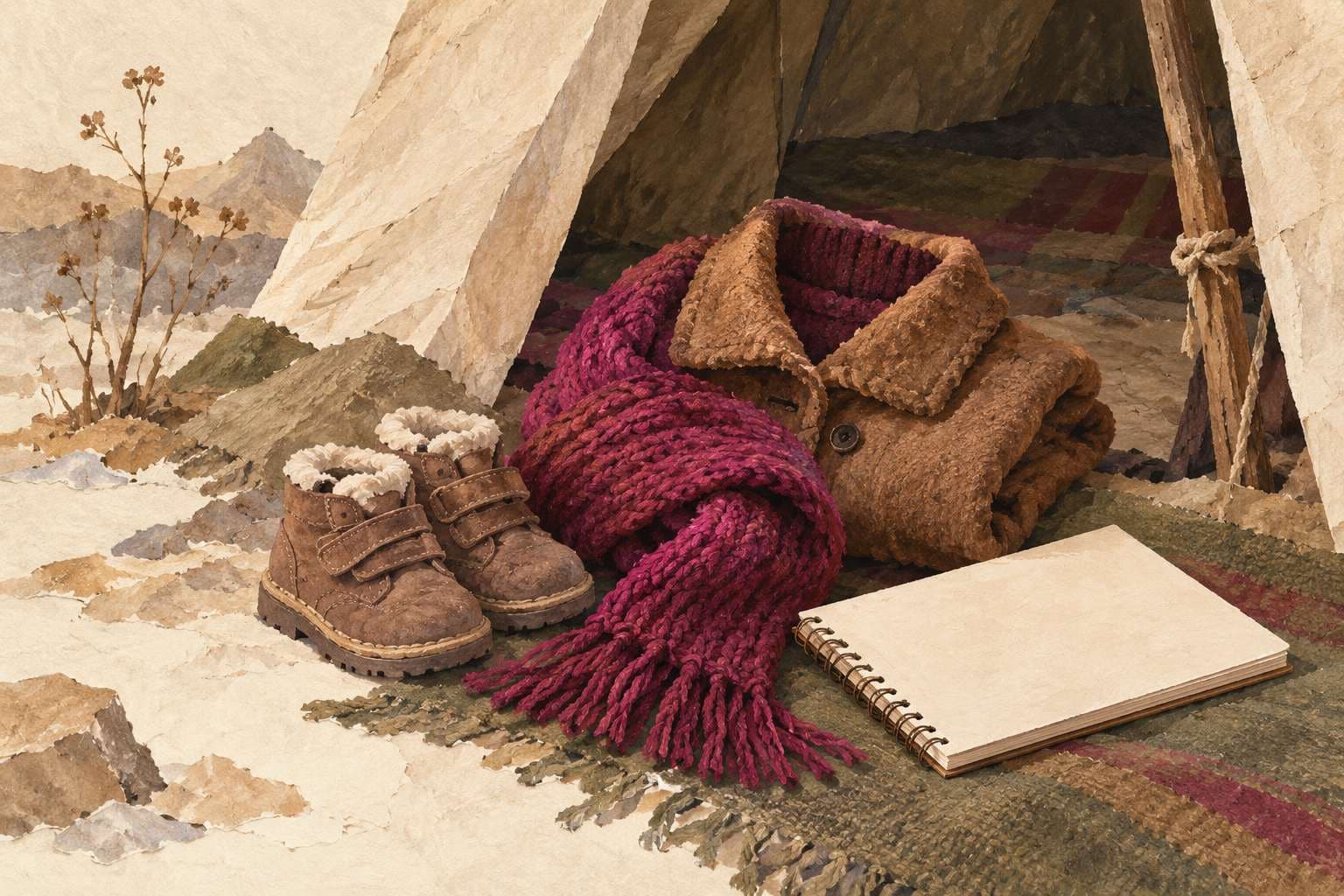
AI-generated editorial illustration; it does not document a real location, real people or an actual charity activity.
Life in Gaza Tents raises questions about privacy that a photograph of shelter cannot fully answer. Can family members have a conversation without an audience? Is there room for different routines, personal belongings and moments alone? These ordinary expectations matter when a temporary space becomes the setting for daily family life.
This article considers privacy through dated humanitarian reporting and wider principles of dignity. Our account of daily life during displacement explains the broader pressures surrounding these questions.
Life in Gaza Tents: a family's space matters
UN News reporting from 25 May 2026 described crowding and limited privacy in a Gaza City camp, where family life continued in cramped tents. It is a dated account of a particular setting, rather than a description of every displaced household.
Sharing family responsibilities does not remove the need for personal boundaries. Privacy can mean choosing when to speak, rest or spend a moment alone, while remaining close to others.
A service needs room for a private conversation
UNFPA’s Gaza safety audit, published on 17 September 2026, examines assistance settings as well as displacement sites. Its overview stresses that a service must be usable confidentially and with dignity, alongside being available and reachable.
Can someone explain a sensitive concern without announcing it to a queue? Counting service points cannot answer that question. The experience of asking for help deserves attention too.
Time together
UNICEF’s April 2026 assessment links limited privacy with difficulties in caregiver-child interaction.
Women's concerns deserve confidential attention
In a report published on 12 May 2026, UNFPA described overcrowded tents and difficult conditions for women and girls in Gaza. It also described safe spaces offering confidential support alongside practical assistance, showing how protection can involve more than distributing supplies.
This does not make every household's experience identical. Public interest in an emergency does not make every part of someone's family life a public story.
A dignity kit is one part of a response
UNFPA Caribbean guidance published on 23 December 2022 presents dignity kits as personal supplies connected with information about relevant services. It distinguishes their programming from a standard hygiene distribution. This regional guidance supplies a general perspective, not evidence of deliveries in Gaza.
A package label cannot express every preference. Discussion should leave room for recipients to explain what is useful, unsuitable or still missing after an item reaches them.
People should help define what dignity means in practice
UN Women’s account published on 19 June 2026 describes how evidence about different needs informed support through local women-led organizations in Gaza. Its examples include safe spaces and disability-inclusive assistance, connecting knowledge of people's circumstances with the response they receive.
Our article on disability support in Gaza explores access further. Within a household, one person’s account should not automatically represent everyone. Ask whose perspective is missing.
Personal information also needs boundaries
The ICRC’s humanitarian data-protection overview, dated 19 November 2024, places personal information within the protection of dignity. It explains that interaction with humanitarian organizations on social platforms can expose data. This is general guidance, rather than an assessment of a particular Gaza service.
When sharing an account, consider:
- Which information helps explain the issue?
- Which details could remain private?
- Whose choices shape the story?
- Can the point stand without identifying someone?
Frequently asked questions
Does this article describe every family living in a tent?
No. The examples have dates and particular settings. They help frame questions about privacy without replacing what each household says about its own experience.
Does this page register requests for shelter or protection services?
No. This is an explanatory article. It does not register households, allocate shelter or arrange confidential case support.
Keep family dignity visible
Understanding Life in Gaza Tents means giving privacy a place in how we read, discuss and share humanitarian information. Explore TAZC’s 2026 food-parcel programme for displaced families to understand its stated food-support scope. For questions about the charity's work, contact TAZC.
From reading to impact
Explore our active programs and choose how to support them. Completed programs and their photographs remain part of the charity’s archive.
Donate Now