About this program
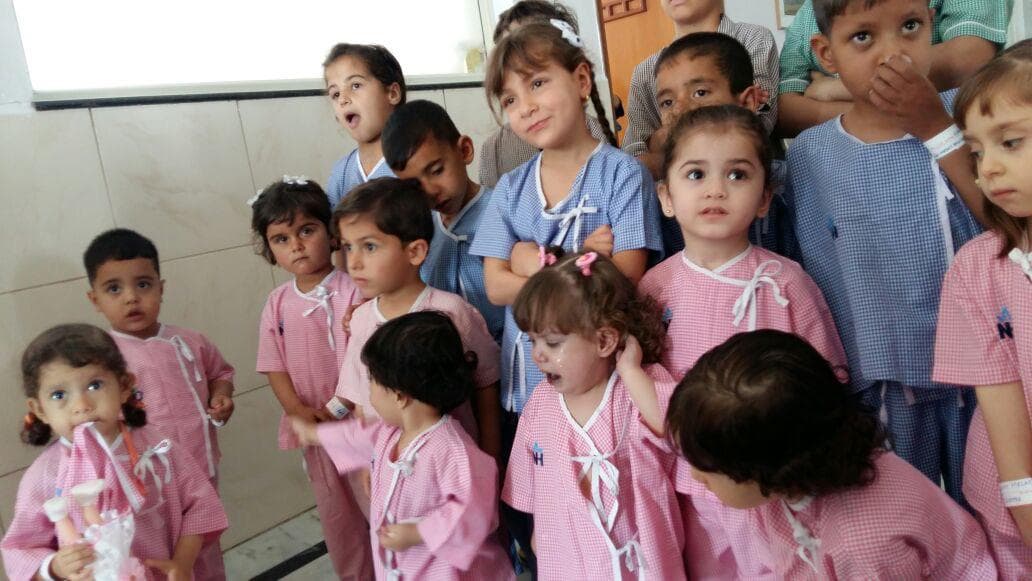
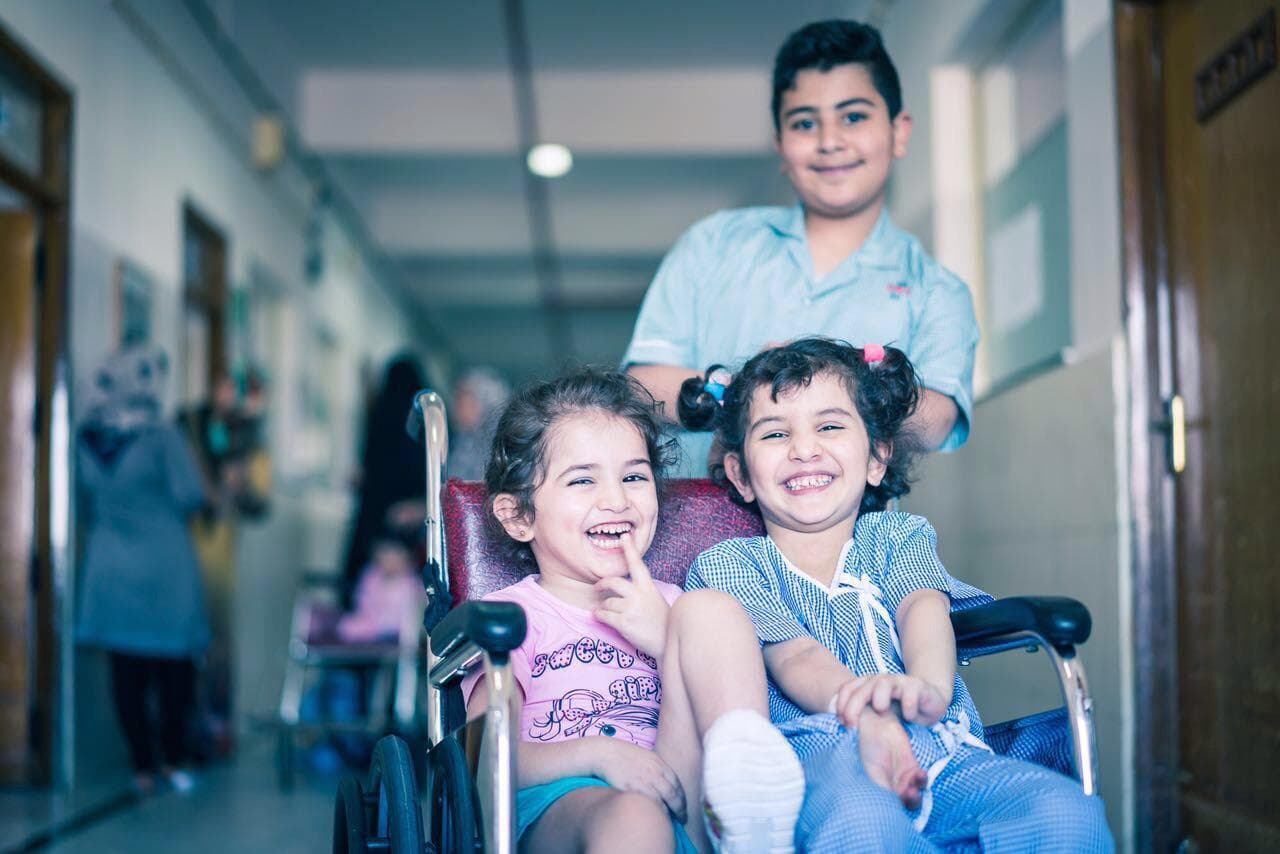
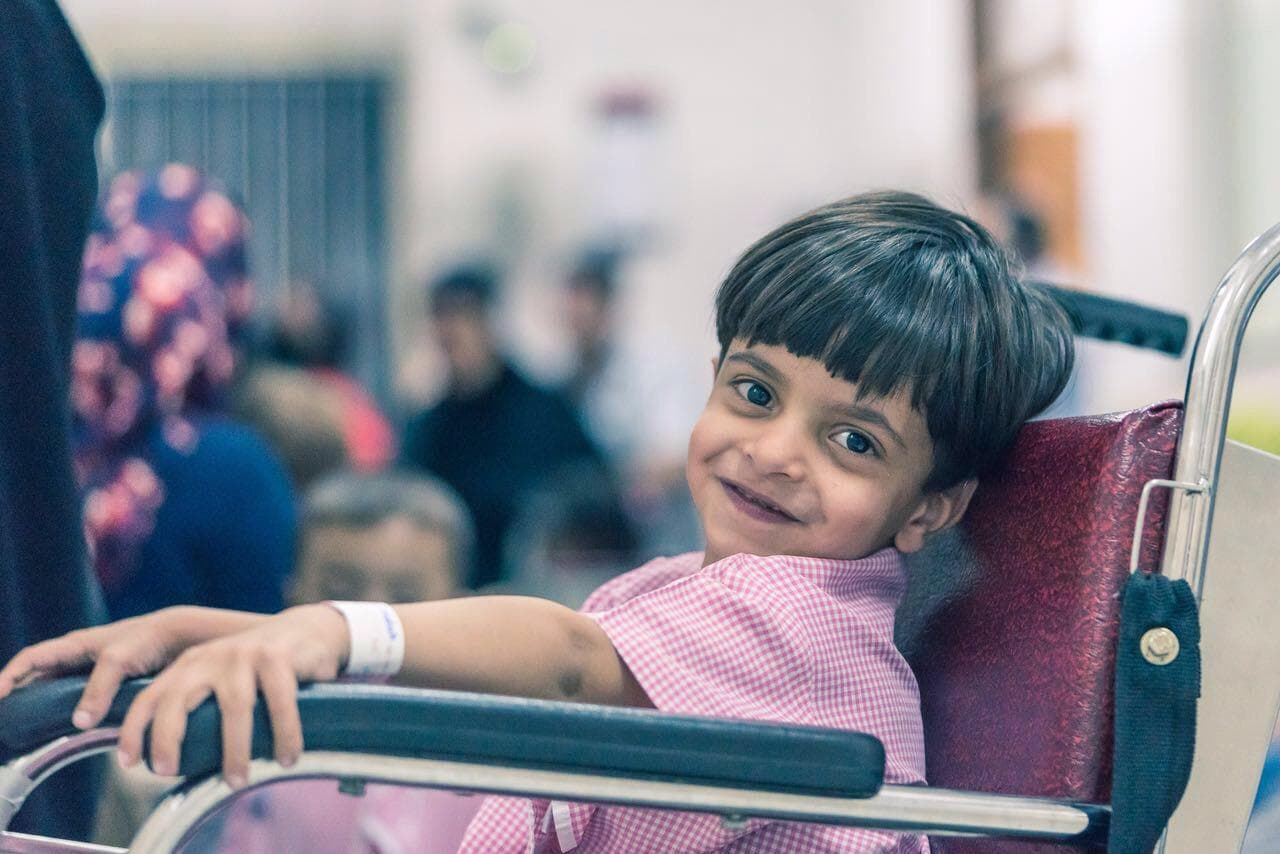
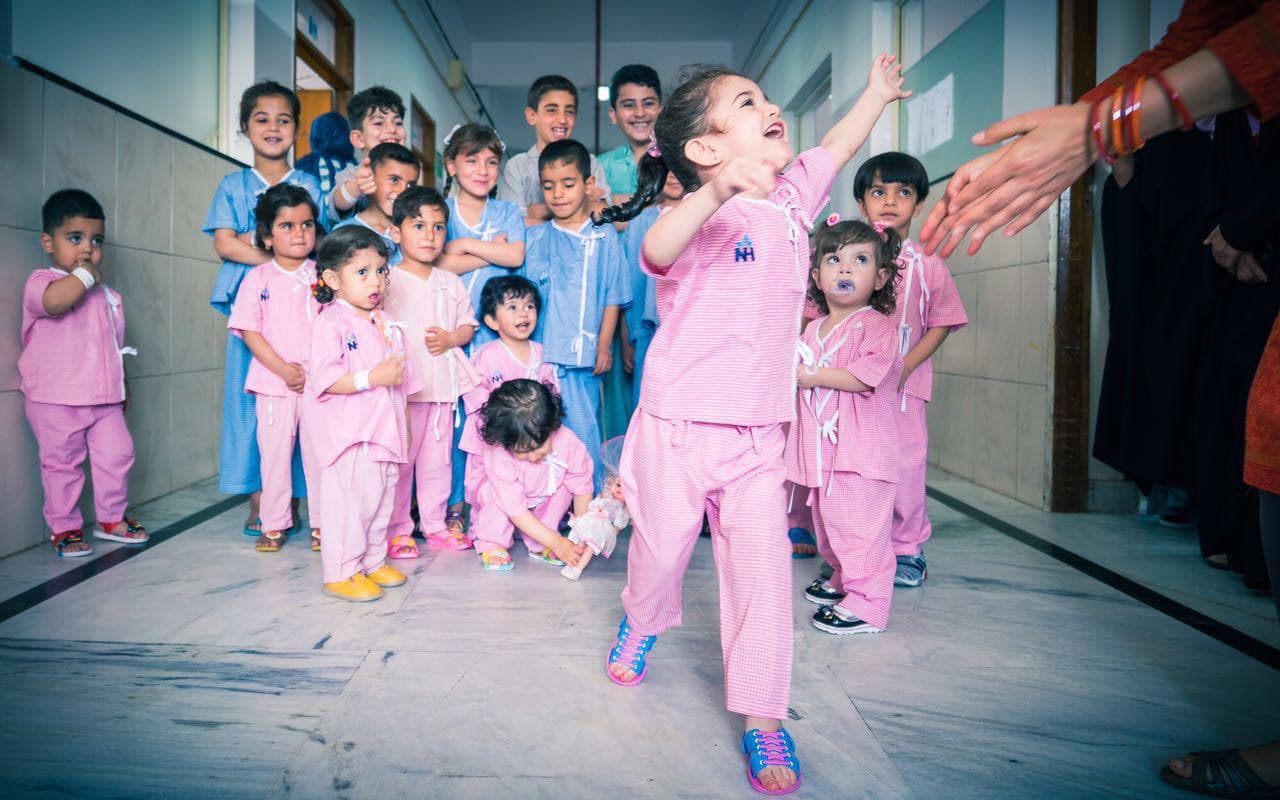
This completed programme supported Iraqi children with congenital heart disease during 2005–2018. The charity records treatment for over 1,300 children through its Narayana partnership in Bangalore, India. Explore the programme’s history and ways to support the charity’s work today.
Support the Charity’s Work Today — The programme was completed in 2005–2018 and is not accepting treatment requests; donations through this link provide general support for the charity.
An Experience Preserved in the Charity’s Story
Concern for children connects this experience with TAZC’s wider history. We preserve the programme archive so that its recorded work, location and period remain available to people learning about the charity. Interest in treatment is also interest in the child, their family and the hopes parents hold when seeking care. We value this experience and the partnership behind it as part of our completed work.
From Iraq to Bangalore
The archive connects Iraqi children with congenital heart disease to treatment in India and identifies Narayana Health City in Bangalore as the programme partner. Keeping the partner and dates visible gives readers a clear account of that period. For more context, our article on treatment abroad for Iraqi children explores the experience and the meaning of care that considers children and their families.
Explore the History and Our Work Today
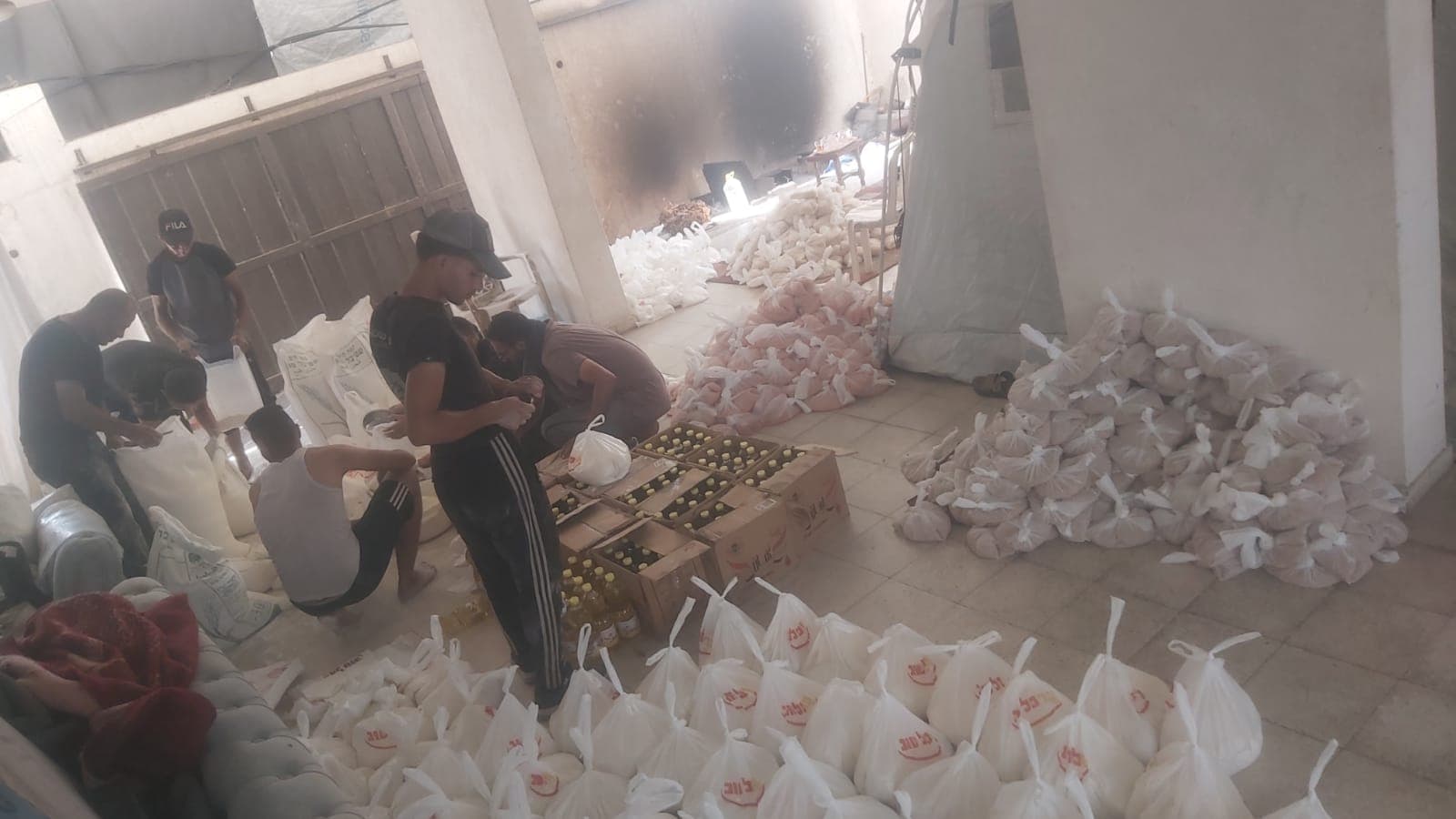
Read TAZC’s story since 2005 to understand this programme’s place in the charity’s history, then visit the active Gaza food-parcel programme to learn about current work. Concern for children and households connects these pages, while each programme keeps its own stated period and scope.
Continue the Spirit of Support
If this experience inspires you, consider general support for the charity or contact us with a question about its history or an idea for cooperation. We welcome people who want to understand the work before participating, along with those whose experience or interests could begin a useful conversation. The donation policy explains giving arrangements. Your interest and participation help keep children’s and families’ needs present in our conversations and work.