Winter in Gaza Tents: Rain, Cold and Adequate Shelter
Explore winter in Gaza tents through dry bedding, suitable shelter and essential services, distinguishing last winter’s evidence from the next season’s plans.
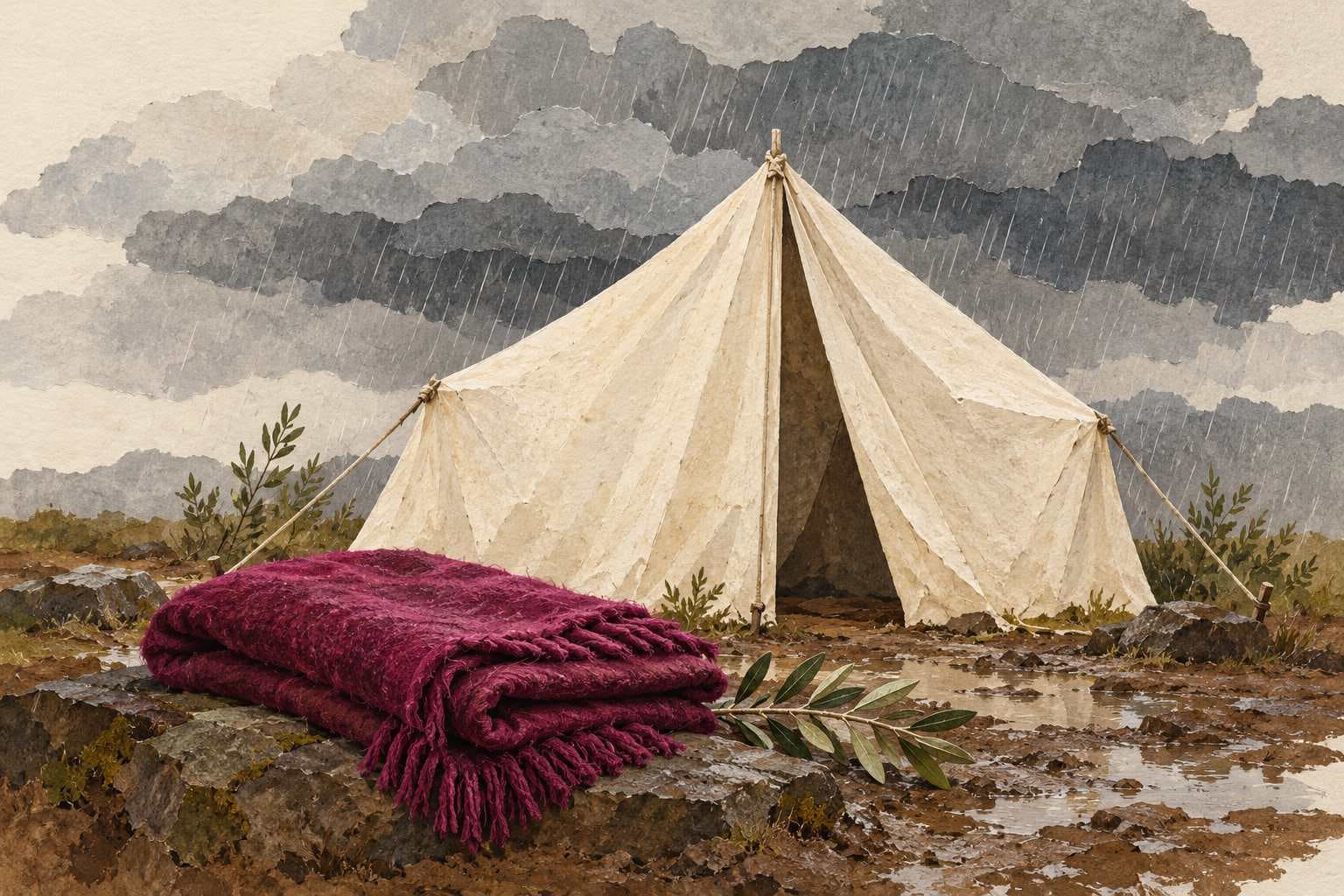
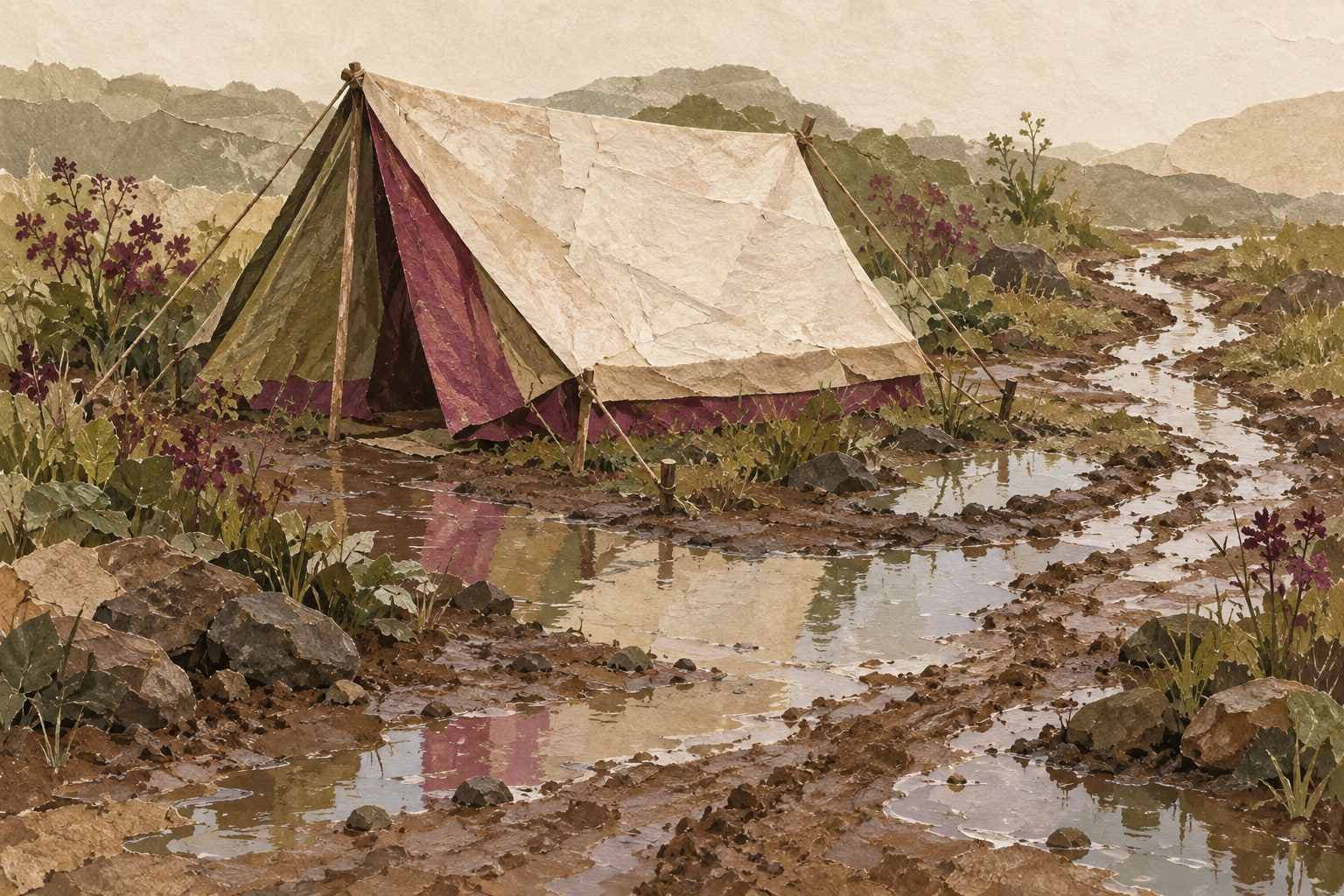
AI-generated editorial illustration; it does not document a real location, real people or an actual charity activity.
Winter in Gaza Tents raises a basic question: can a family sleep somewhere dry, keep its belongings usable and reach essential services when the weather changes? A roof made of fabric can provide emergency cover, but the experience of winter depends on what that shelter actually protects. Understanding these needs means looking beyond the photograph of a standing tent to the conditions inside it.
The accounts below concern the 2025–2026 winter, while the September 2026 appeal addresses preparation for the following season. Our article on displacement and daily life in Gaza explains the wider demands that families face between emergencies.
Winter in Gaza Tents: when everyday essentials get wet
In its 19 January 2026 statement, the International Rescue Committee described storms damaging makeshift shelters and soaking clothing and bedding. That dated account shows why shelter loss is also the loss of ordinary household necessities. The task facing a family can suddenly shift from resting and caring for one another to finding a usable place to spend the night.
A blanket, a mattress and a change of clothes have different jobs. Counting them together as miscellaneous supplies can obscure which need remains unmet. A useful account of winter assistance should explain what families can actually use after delivery, including whether damaged essentials need replacing. The measure of progress is the condition people can live in, rather than the appearance of a completed distribution.
The shelter and its surroundings work together
The ICRC report published on 27 January 2026 described flooded or torn tents alongside work to restore a pumping station in Khan Younis. It connected conditions inside temporary shelters with the functioning of surrounding sanitation infrastructure. Its accompanying footage was recorded in November and December 2025; those images should retain that historical context when shared.
One implication is that a family’s shelter cannot be understood entirely within its fabric walls. The route to a toilet, the availability of water and the functioning of nearby services belong in the same picture. Our explanation of water and sanitation needs in Gaza provides further context. Decisions about drainage, infrastructure or alternative accommodation require competent local assessment.
What makes a tent suitable for its purpose?
The Shelter Cluster’s September 2025 technical guidance on tent assistance sets out minimum specifications together with guidance on targeting and distribution. This distinction matters: obtaining an item labelled “tent” and providing appropriate shelter are different stages of an assistance programme. Suitability needs to be considered before purchase and checked through the experience of the people using it.
A useful way to understand these needs is to follow ordinary household activities:
- Sleeping: is there a usable place to rest, with the bedding a household needs?
- Getting dressed: are suitable clothes available when other belongings are wet?
- Caring for one another: can the space accommodate the people who actually share it?
- Leaving and returning: can residents reach essential services and return to somewhere usable?
These questions keep the discussion close to daily life. They also leave room for residents to explain priorities that an outside observer might overlook. A family should be heard about how its shelter functions, rather than having its needs inferred from the appearance of the structure.
Winter assistance includes the things inside
The Shelter Cluster’s 2025–2026 winterization recommendations, prepared in September 2025, treat household items and weather protection as connected priorities. They include winter clothing and bedding, and call for coordination between shelter, water and site-management responders. These are recommendations for that documented response period, not proof that every required item reached every household.
It is helpful to ask whose needs a standard package represents. A household is made up of individuals, and an inventory should not make those differences invisible. Clear information about what is included, what is missing and how gaps will be addressed is more useful than describing every package as complete.
Preparation belongs before the next emergency
OCHA’s report for 12 June 2026, published on 13 June, already called attention to winter procurement and advance positioning of supplies, while warning about funding shortfalls. This helps explain why winter preparation appears in humanitarian reporting during summer. Ordering, transport and local availability need to be considered before the moment a household needs assistance.
On 17 September 2026, UNICEF announced an appeal for the October 2026–March 2027 response, covering Gaza and the West Bank. Its planned assistance includes clothing, blankets and shelter support alongside measures addressing flood risks. This is a forward-looking plan. An appeal establishes intended work and funding needs; later delivery reports are needed to understand what was implemented.
Two common questions
Does providing a tent mean a family is ready for winter?
It is one part of the assessment. Readers also need to understand the tent’s suitability, usable household essentials, nearby services and follow-up arrangements. A distribution count alone cannot answer those questions.
Do last winter’s reports predict the coming winter?
No. They document previous conditions and can inform preparation. The timing and effects of future weather cannot be established by an old photograph or report. Always keep the publication date and the period described together.
Keep attention on families and verified support
Understanding Winter in Gaza Tents should lead to clear, sustained attention to people’s living conditions. TAZC’s published Gaza food parcel programme concerns food assistance; this article does not announce a TAZC shelter service. To ask about the charity’s documented work and available support channels, contact TAZC. Share dated information that explains needs without promising unverified outcomes.
From reading to impact
Explore our active programs and choose how to support them. Completed programs and their photographs remain part of the charity’s archive.
Donate Now