Displacement in Gaza: Daily Needs and Human Dignity
A sourced look at how shelter, water, food, and care shape daily life for displaced families in Gaza, with a focus on dignity and clear program information.
The meaning of displacement becomes clearer when we ask ordinary questions: Where will a family sleep? Can they prepare a meal, wash their clothes, or reach a service they need? Reading about Gaza through these questions helps connect humanitarian reports to daily life. It also keeps attention on people’s choices and dignity, rather than reducing their experience to a photograph or a single number.
Shelter is part of everyday safety
In its 14 August 2026 account of daily life in Gaza, the International Committee of the Red Cross described families living in makeshift shelters and damaged buildings, with summer heat adding to hardship. It linked dignified living to reliable access to shelter, water, sanitation, food, and services. The account helps explain why reaching a place to stay does not, by itself, settle a family’s daily needs.
Water and sanitation belong in the same picture
OCHA’s report titled 11 September 2026, published on 12 September, described overcrowding, inadequate shelter, and limited safe water and sanitation as overlapping pressures in Gaza. Its findings concern that reporting period, rather than a permanent description of every household.
Children need continuity of care
UNICEF’s mid-year analysis, dated 17 July 2026, reported disruptions to health care, water, sanitation, and protection services associated with damage to civilian infrastructure and movement restrictions. Read as dated context, it shows why children’s needs cannot be separated neatly into a food question, a shelter question, and a care question. A child is affected by the conditions surrounding all of these services together.
Food support must fit living conditions
The World Food Programme’s Palestine response page, reviewed on 24 September 2026, describes several forms of assistance, including food parcels, bread, hot meals, and cash. It notes the role of community kitchens for families lacking ingredients or cooking energy. This is useful context when asking whether a particular food response matches the circumstances in which people are living.
Questions that keep people at the center
- What need does the update describe, and in which place and period?
- Does it explain what people say they need, alongside what an organization can provide?
- Are the images and captions specific enough to understand their context?
- What remains unknown, and where can a reader ask for clarification?
These questions make room for a more careful conversation. An explanation can be compassionate and precise at the same time; it need not invent a family’s story to make everyday needs understandable.
TAZC’s published Gaza program
TAZC lists Food Parcel Distribution in Gaza as active in 2026, with priority for displaced households caring for orphaned children or children under six. This article’s wider humanitarian context does not describe additional TAZC services. Read the program page for its scope, or contact the team with a specific question.
Questions readers often ask
Does every displaced family have the same needs?
A useful starting point is to ask about the particular household and setting, rather than assuming one description fits everyone.
Does a food parcel address every difficulty of displacement?
It addresses a defined food need. Understanding the broader situation helps supporters ask clearer questions about the scope of any initiative.
Where can I learn about TAZC’s background?
The TAZC history and programs guide explains its beginnings and distinguishes earlier work from currently listed programs.
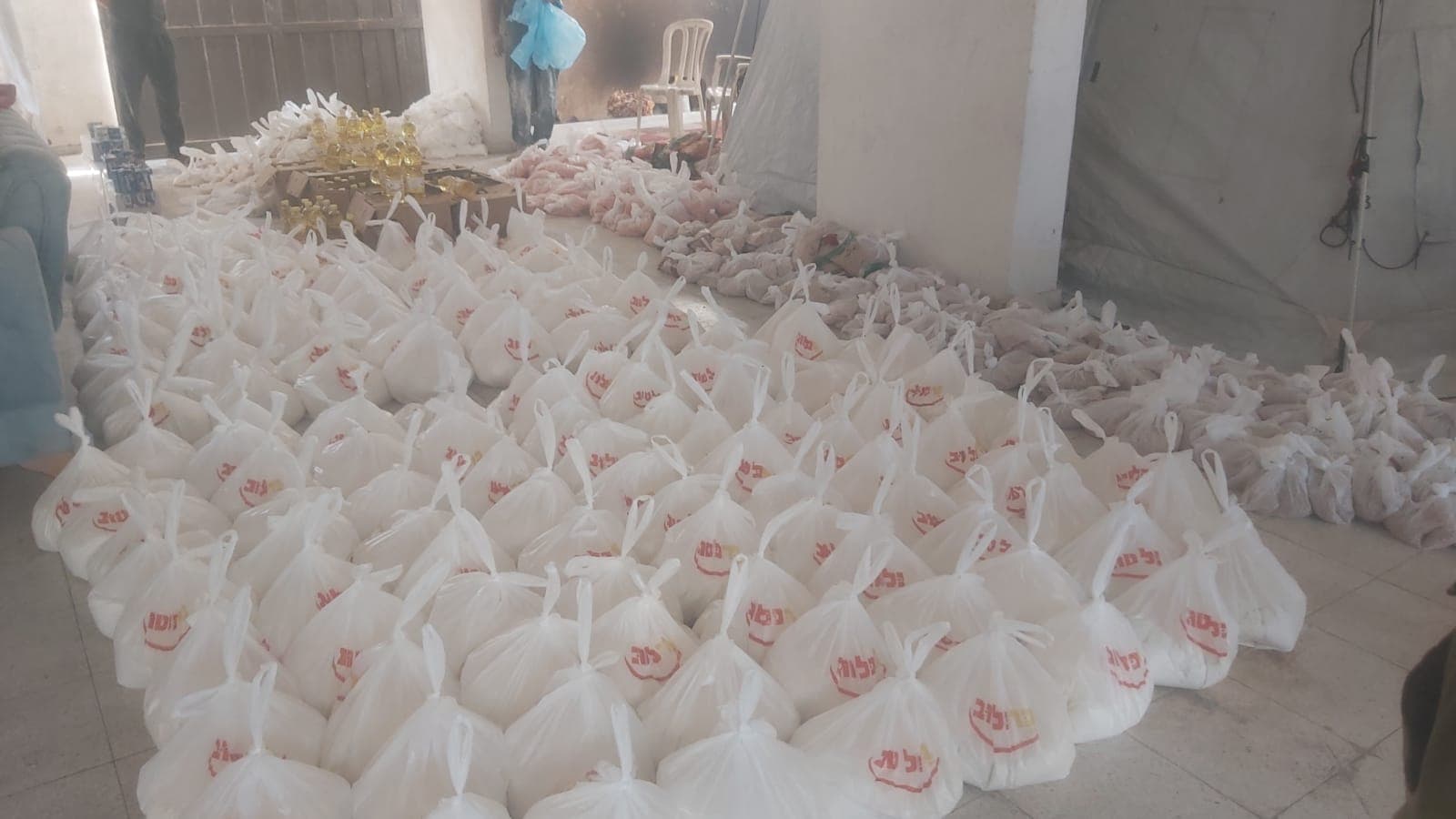
Cover image: from this website’s Gaza food-parcel programme archive; its capture date is not documented. It shows prepared food parcels, not a displacement site.
From reading to impact
Explore our active programs and choose how to support them. Completed programs and their photographs remain part of the charity’s archive.
Donate Now