Food Security in Iraq: Access and Better Nutrition
Understand food security through household affordability, varied diets, social protection, school meals and the work of local food producers.
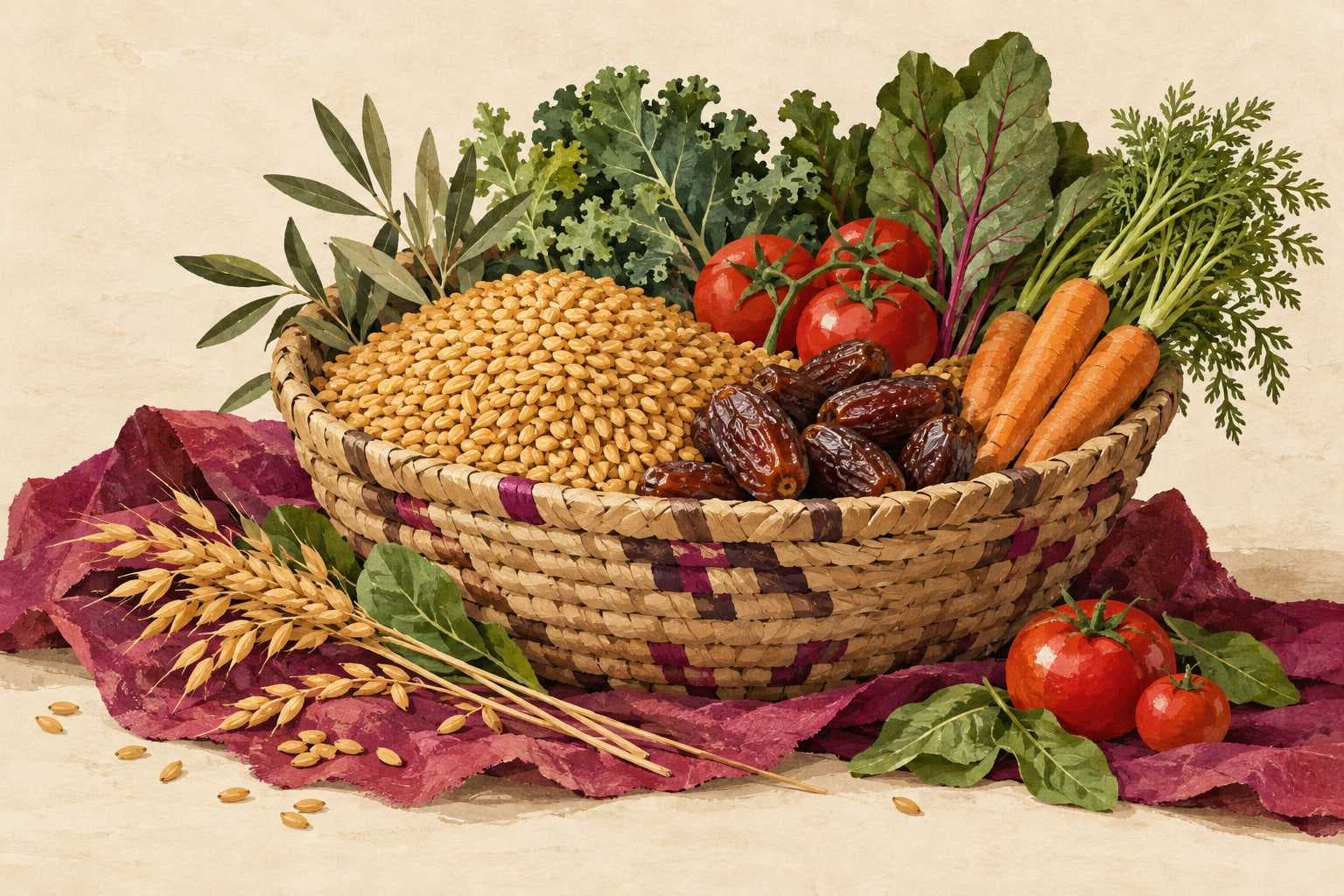
AI-generated editorial illustration, created on 24 September 2026; it does not document real people, a real location or field activities.
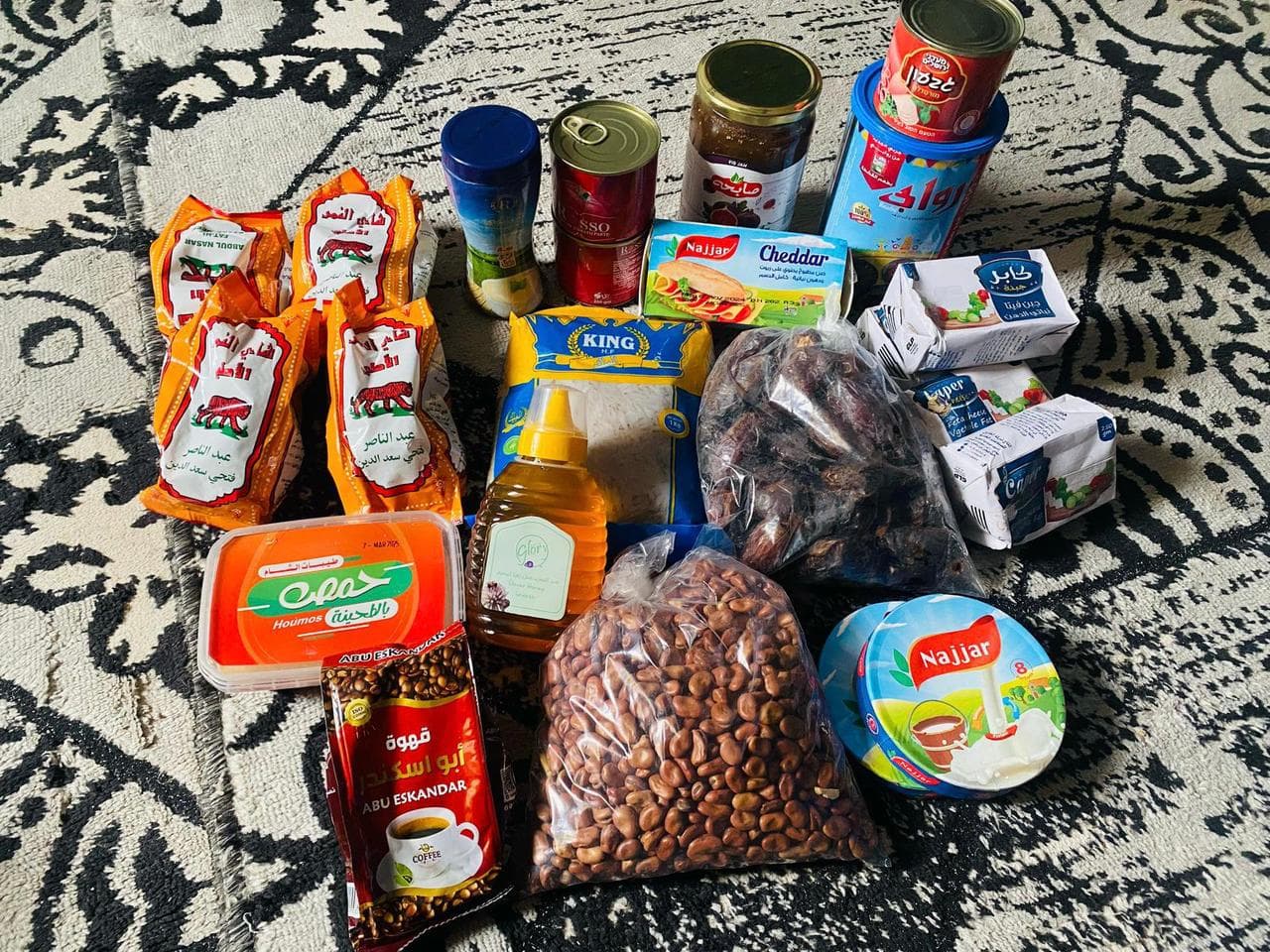
Food Security in Iraq is a question about the daily table as much as farms and markets. What can a household buy after paying for housing and transport? Can it plan the next week with confidence? This perspective helps distinguish national food availability from people’s regular access to suitable food.
This article considers sources available by 24 September 2026, focusing on purchasing power, nutrition and food value chains. It is a humanitarian explainer, not an announcement of a TAZC food programme in Iraq.
Food Security in Iraq starts with household access
FAO’s brief dated 1 September 2026 reported broadly stable wheat flour and rice prices in June compared with a year earlier. That observation concerns particular staples and a defined period. It cannot describe every food price in every governorate.
Full shelves do not reveal a family’s income or competing expenses. Understanding access requires reading purchasing power alongside harvests and prices: available food may still be beyond a household’s budget.
A nutritious diet involves more than sufficient food
A WFP analysis published on 8 April 2026 connects nutrition security with diet quality, care and services as well as food access. This is a global framework for asking better questions in Iraq, not a medical assessment of Iraqi families.
Can a household afford variety throughout the week? That differs from counting meals. Assistance should recognize differing needs without blaming caregivers for choices constrained by limited resources.
Predictable support makes planning possible
WFP’s Iraq country strategic plan for 2026–2029, revised in August 2026, prioritizes the coverage, adequacy and timing of national assistance systems. It emphasizes Iraqi institutions’ leadership in social protection and stronger food systems.
Knowing when support arrives helps families organize purchases. Evaluating a system should ask who remains excluded, whether assistance is sufficient and how difficulties are resolved. Registration totals alone cannot answer these questions.
School meals belong within the child’s wider day
In its regional report of 10 September 2025, WFP described Iraq’s transition to full national ownership of school meals in 2023. National ownership does not mean every pupil receives a meal; management, coverage and reliability are different questions.
Our article on children’s education in Iraq explores the learning context. Listening to pupils and families keeps discussion grounded in experience; one programme name cannot describe every school.
From date palms to markets: reducing losses
On 2 February 2026, FAO announced implementation of an Iraqi date-palm initiative covering production, processing and marketing. It identified post-harvest losses, limited processing capacity and market access among the sector’s difficulties.
Producing more does not complete a crop’s journey. Producers need routes to buyers that preserve its value. Dates illustrate one Iraqi value chain; strengthening one crop cannot ensure a varied diet for everyone.
Food businesses are also sources of household income
An FAO update on 26 January 2026 described Iraq’s Agri-food Business Development Programme and its connections between production, markets and investment. Its perspective includes farmers, processors, traders and food businesses.
Food is both a household purchase and a source of earnings. Useful questions concern access to markets, lasting buyer relationships and opportunities for smaller enterprises. The largest businesses’ performance cannot represent every producer.
Helping small producers withstand setbacks
On 11 May 2026, FAO announced an initiative with Iraq’s agriculture ministry and IFAD funding for smallholders in southern Iraq. Planned support includes training, advisory services, improved production and market opportunities, with attention to women and young people.
These announced objectives connect knowledge with lasting economic opportunity; results still require evaluation. Our separate article on the Iraq water crisis discusses water pressures affecting production. Food affordability involves additional household circumstances.
Measure progress through people’s experience
At a FAO-supported workshop in Erbil on 8–9 July 2025, participants reviewed indicators including food-insecurity experience and small producers’ incomes. Production figures and household experience answer different, complementary questions.
Useful questions are:
- Can families afford varied diets?
- Does assistance arrive reliably?
- Can small producers sustain their earnings?
These guide monitoring; they do not establish that improvements have occurred nationwide.
Frequently asked questions
Does a larger harvest guarantee food for everyone?
A larger harvest matters, but it cannot show what a household can buy. Analysis must bring together available food, income, the cost of a varied basket and dependable assistance where needed. Two families shopping in the same market may face different circumstances; one experience should not stand for everyone.
How does this article relate to TAZC?
This article raises awareness of Iraqi needs. TAZC’s treatment abroad programme for Iraqi children was a historical programme completed during 2005–2018. It does not establish a current TAZC food operation in Iraq.
Reliable food access and dignity in choice
Strengthening Food Security in Iraq begins with understanding what people need: suitable food they can afford, dependable support and opportunities to earn. Read the dated sources and share their context. To ask about this website’s content or the scope of the charity’s programmes, contact TAZC for clear information.
From reading to impact
Explore our active programs and choose how to support them. Completed programs and their photographs remain part of the charity’s archive.
Donate Now