
How to Support Gaza Responsibly: Read Updates and Assess Appeals
Practical steps for reading humanitarian reports, checking an organization’s channels and program scope, and sharing information with care for children and families.
Wanting to help people in Gaza can begin with a moving report, an appeal shared by a friend, or a question about a charity’s work. A useful next step is to turn that concern into a few clear checks: understand the update, identify the organization, read the program’s scope, and ask what information supports its claims. This guide offers a practical way to do that without losing sight of the people involved.
1. Read the date, place, and reporting period
The OCHA humanitarian updates archive separates reports by date and offers filters for area and theme. Start from the original publication and check which period and location it covers. If you share a finding, keep that context with it. An older report may explain how a situation developed, but its figures should not automatically be described as today’s figures.
A small note can prevent confusion: record the publisher, publication date, reporting period, location, and link. Also distinguish people from households, a planned target from a completed activity, and an organization’s own results from a wider humanitarian estimate. If those distinctions are missing, ask before repeating the claim.
2. Reach the organization through its own channels
In a warning published on 6 April 2025, the ICRC described fraudulent websites and messages misusing its name and emblem, and directed supporters to official channels. Apply that verification habit to an appeal you encounter: open the organization’s established website, check the exact address, and use the contact details it publishes to clarify an unfamiliar request.
3. Look for a clear accountability trail
WFP’s internal audit and investigations page explains its oversight arrangements and links to audit reports. It is one example of how an organization makes accountability information accessible. When reviewing another organization, look for its own explanation of who is responsible, what a program does, how updates are reported, and where questions or concerns can be raised.
- Which activity is active, and which material describes past work?
- Which group and area does the program intend to serve?
- What period does a reported result cover?
- Does a stated cost or delivery promise have a dated explanation?
These are useful questions to send together in one short message. They make the discussion more specific than asking only whether an initiative is trustworthy.
4. Share information while protecting dignity
UNICEF’s ethical reporting guidance places children’s dignity, privacy, and best interests at the center of reporting. It advises against publishing material that could put a child at risk. Before sharing a personal image or story, consider its context and possible consequences. A link to a documented explanation can inform others without circulating identifying details or treating a child’s distress as promotional material.
Applying these questions to TAZC
TAZC’s Gaza food parcel page lists an active 2026 program for displaced families, prioritizing households with orphaned children or children under six. Review its published scope, read the charity’s background, and ask the team for any further detail you need before choosing how to participate.
Common questions
Is a social-media post enough to evaluate an appeal?
Use it as a starting point, then locate the original source and the organization’s own program information.
Should an old report be ignored?
It can provide valuable background when its date and scope remain visible. Use a current, dated source for claims about the present.
Can I help by sharing information?
Sharing a reliable link with its date and context is a practical contribution. Keep your description within what the source actually supports.
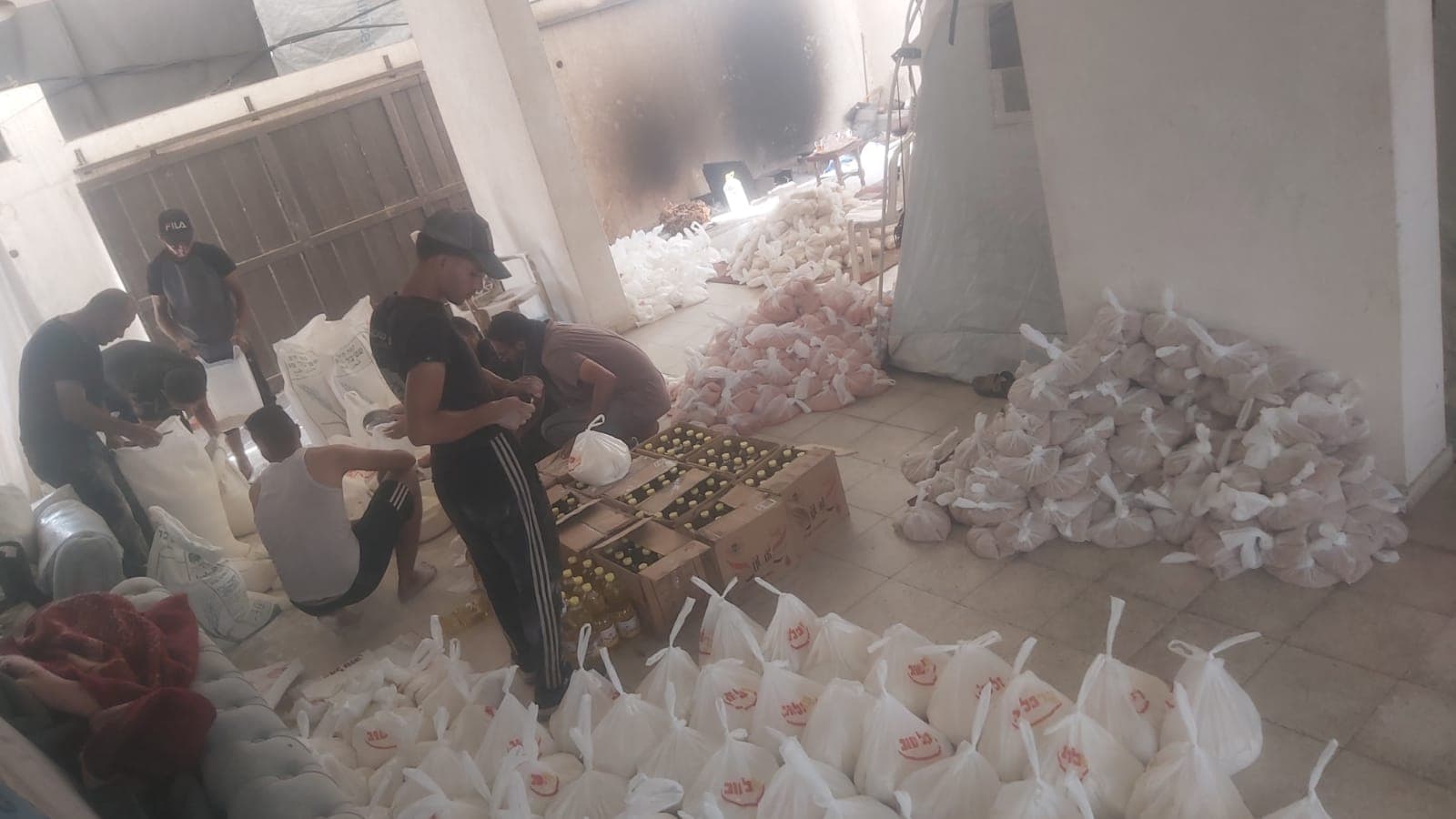
Cover image: from this website’s Gaza food-parcel programme archive; its capture date is not documented.
From reading to impact
Explore our active programs and choose how to support them. Completed programs and their photographs remain part of the charity’s archive.
Donate Now