Livelihoods in Gaza: Work, Skills and Recovery
An evidence-based guide to how jobs, local enterprises, farming and essential services shape the recovery of livelihoods in Gaza.

AI-generated editorial illustration; it does not document real people or field activities. Created on 24 September 2026.
Livelihoods in Gaza are about more than finding a job. They concern the possibility of earning an income, using a skill and making choices for a household. A discussion of recovery should recognise people as workers, producers and decision-makers, while acknowledging the conditions that can prevent them from working.
This guide explains the connections between employment, local businesses and essential services. The examples come from dated institutional reports; they illustrate approaches without promising that the same opportunities are currently available everywhere.
What livelihoods in Gaza need to function
The ILO’s 2026 report on workers in the occupied Arab territories describes ruined workplaces, scarce jobs and irregular pay in Gaza. It also identifies unreliable electricity, internet and workspaces as constraints on remote work. Skills alone cannot overcome these barriers.
For a household, rebuilding income means planning beyond the next payment. Workers also need usable workplaces and dependable payment. Counting available jobs without considering these conditions leaves an incomplete picture of economic recovery.
Emergency work should protect the worker
The ILO’s emergency-employment overview links temporary work with fair wages, safety, skills development and inclusion. It presents employment as part of restoring community services, with attention to workers’ rights.
Is the task suitable, are responsibilities clear, and can concerns be raised safely? Even a short contract should recognise the worker’s rights. A job description needs more than a start date.
Roads and municipal services are economic connections
In an April 2026 announcement, UNDP connected debris and waste management in Gaza with access to services, markets and short-term employment. The work shows how a municipal service can also support everyday economic activity.
Usable routes connect workers, materials and customers. They do not guarantee that a business will recover. Debris work itself requires competent teams and appropriate safety arrangements, rather than informal activity without training or supervision.
Local purchasing can support more than one need
A November 2024 UNDP account described purchasing desks, boards and chairs from local producers for temporary learning spaces. It linked support for small businesses with an identified education need. This is a dated example of an approach, not a statement that every workshop is operating today.
Connecting demand with existing skills also means understanding equipment, materials and payment. A local producer is a business partner with expertise and operating needs. An order can only serve its purpose if production and delivery are feasible.
Agricultural livelihoods depend on connected inputs
FAO’s 31 March 2026 update on support for Gaza’s farmers explains that restarting production requires complementary inputs to be available together and on time. Cash support and access to agricultural supplies address different parts of the problem.
Buying inputs, growing a crop and selling produce are different stages. Assessing agricultural recovery requires understanding the entire cycle. Read about food insecurity and food assistance in Gaza for related household context.
Early recovery keeps immediate and future needs together
UNDP’s early-recovery framework places essential services, jobs, functioning institutions and longer-term investment in the same response. Recovery can be considered while urgent needs remain, rather than waiting for a perfectly separate recovery phase.
Three distinctions help explain the response:
- Relief meets an immediate need.
- Restoring an asset enables activity.
- A lasting livelihood requires that activity to remain workable.
Projects may contribute to several stages. Reporting should identify what has actually been achieved.
A longer horizon needs local participation
In July 2026, UNDP and the Republic of Korea announced a further R.E.V.I.V.E. phase covering Gaza and other crisis-affected settings. The programme links infrastructure, emergency employment and community-led recovery planning. Announced plans should be distinguished from results already delivered.
A planned course, completed training and dependable earnings are different achievements. Listening to workers and businesses helps explain what is needed next. Reporting should describe remaining obstacles alongside completed activities.
Questions about livelihoods
Is temporary work the same as a stable livelihood?
No. Temporary work provides income for a defined period. Lasting employment depends on what follows and the conditions surrounding the work.
Does TAZC run the initiatives described here?
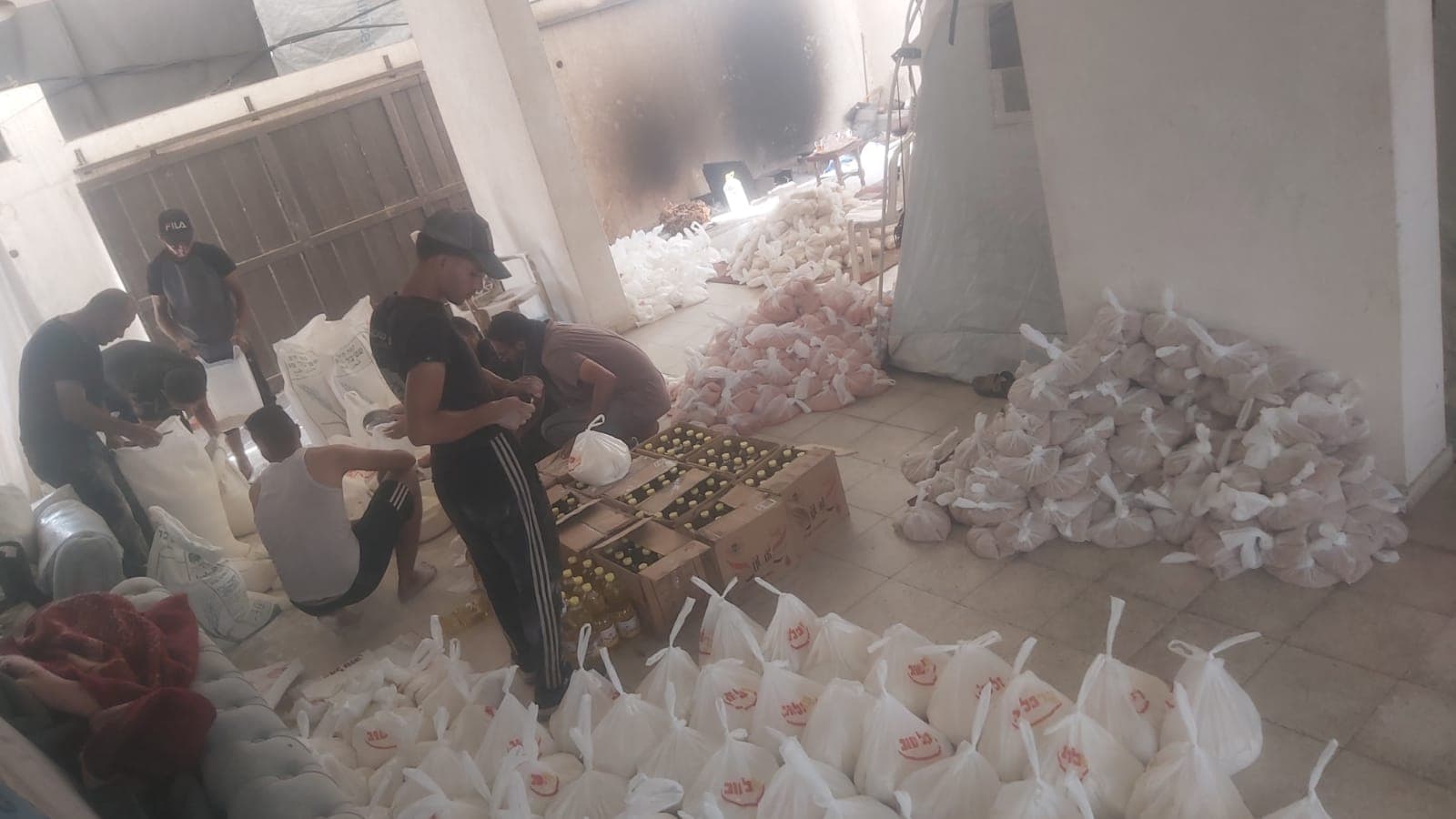
No. The institutional examples belong to the organisations cited. TAZC’s current Gaza programme is food parcel distribution; this article does not announce employment, agricultural or business-finance services.
Keep people’s choices in view
Understanding livelihoods in Gaza helps distinguish immediate assistance from the conditions needed for lasting income. It also keeps the abilities and decisions of local people in view.
Explore TAZC’s current Gaza food-parcel programme, or contact the team to discuss its documented scope. The broader recovery questions deserve continuing attention alongside those immediate needs.
From reading to impact
Explore our active programs and choose how to support them. Completed programs and their photographs remain part of the charity’s archive.
Donate Now